
 Logos Staff
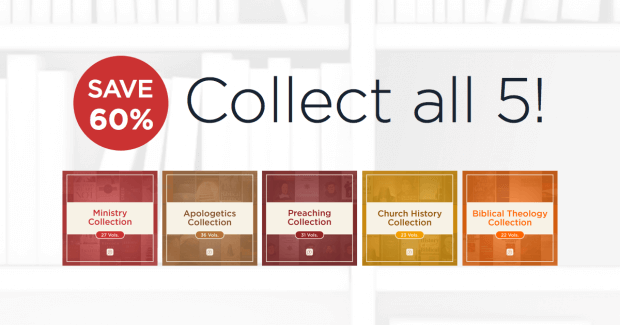
Everyone wants a comprehensive library, but gaps are inevitable. Maybe you’re happy with your selection of commentaries, but your apologetics section could use some love. Or perhaps you have a strong selection of systematic theologies but haven’t yet gathered a solid lineup of biblical theologies. Biblical theology, apologetics, ministry, preaching, church history—we’ve got you covered. Browse these collections now!
For the new Apologetics collection, we’ve pulled together a solid lineup of resources from a diverse group of top-notch scholars. Here are 20 ways you can use the new Apologetics collection to deepen your study and defend your faith.
1. Go in-depth with a range of topics
You don’t just want your library to run the full gamut of biblical and theological subjects. You want resources that dive deep into key ideas within each category. In the Apologetics Collection, you’ll find resources that narrow in on topics such as:
- the historical Jesus
- the Resurrection
- cumulative case apologetics
- the “New Atheism”
- Muslim/Christian dialogue
- answering Mormons and Jehovah’s Witnesses
- the problem of pain and suffering
- apologetic schools like presuppositionalism and evidentialism
- answering common objections to Christianity
- ethical issues, such as abortion
- . . . and a lot more.
2. Read acclaimed authors
You want resources by authors you recognize and trust. In the Apologetics Collection, you’ll find resources by renowned authors such as:
- Alister McGraith
- Norman Geisler
- Gary Habermas
- Peter Kreeft
- Cornelius VanTil
- Jerry Bridges
- Hugh Ross
- . . . and more.
3. See Norman Geisler go toe-to-toe with Carl Sagan
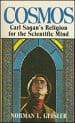 Search for Carl Sagan on YouTube and you’ll find scores of tribute videos. Clearly, Sagan made an incalculable impact on an emerging generation of young scientists and rationalists. In Cosmos: Carl Sagan’s Religion for the Scientific Mind, Norman Geisler argues that Sagan essentially created a new religion out of scientism. Geisler takes Sagan head-on and argues for the superiority of Christianity as an explanation for the mysteries of the universe.
Check out the Apologetics Collection now.
4. Witness Alister McGrath take on Richard Dawkins
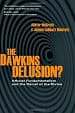 If Sagan was the founder of a new atheism seething with evangelistic fervor, then Richard Dawkins represents the next generation of atheism’s prophets. Few Christians are more equipped to take him on than Alister McGrath, and he does just that in The Dawkins Delusion.
5. Dig into arguments for the Resurrection
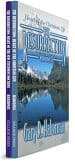 Many apologists believe that the strongest case for Christianity can be made by focusing on the historical evidence for the Resurrection. Chief among them is Gary Habermas, and this collection includes two of his most important works on the Resurrection.
6. Grapple with ethical issues
Ideally, apologetics isn’t just about providing a rational justification for Christian truth claims; it’s about meeting people where they are and engaging with the intellectual and social concerns we all share. That’s why this collection includes resources on difficult ethical issues such as abortion, so you can engage with your neighbors on issues that matter to them.
Check out the Apologetics Collection now.
7. Interact with people from other faiths
One apologetic method does not fit all—especially if you’re interacting with people from diverse religious traditions. That’s why we included resources on dialoguing with Mormons, Jehovah’s Witnesses, and Muslims.
8. Answer tough questions
How do you handle common objections to Christianity? We’ve included resources that specifically address some of the toughest challenges you’ll face. Prepare yourself with resources such as Peter Kreeft’s Because God is Real: Sixteen Questions, One Answer.
9. Address the problem of pain and suffering
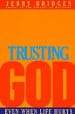 One of the most common challenges to Christianity is the problem of pain. How can a good, omnipotent God allow suffering in this world? Acclaimed author Jerry Bridges provides careful, pastoral answers for those learning the importance of Trusting God: Even When Life Hurts.
Check out the Apologetics Collection now.
10. Understand the approaches of different apologetic schools
Are you an evidentialist or a presuppositionalist? Do you prefer cumulative case arguments, or the Reformed epistemological approach? No matter your apologetic school, there’s much to be learned from those of differing points of view. This collection includes works from writers using different apologetic approaches, so you can learn from the strengths of each.
11. Rediscover an ancient apologetic work
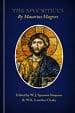 One of the most important apologetic works ever written was almost lost forever. For 10 centuries, The Apocriticus fell in and out of theological favor. When an English translation was at last undertaken, it was based on the sole-surviving Greek manuscript. Now an influential work compared to Aquinas’ Summa Theologica, it’s essential reading for anyone interested in historical theology, apologetics, or philosophy.
12. Explore the Creation, evolution, and cosmology debate
How old is the earth? Is theistic evolution consistent with Christianity? How long are the “days” in Genesis 1? How did ancient cosmology influence the opening chapters of Genesis? These are just a few of the questions answered in resources including:
- Rethinking Genesis by Duane Garrett
- The Genesis Question by Hugh Ross
- Knowing the Truth about Creation by Norman Geisler
- A Matter of Days by Hugh Ross
Check out the Apologetics Collection now.
13. Dig into scholarly journal articles
This collection includes two issues of the Journal of Biblical Apologetics. Including articles on everything from the relationship between Karl Jung and Rick Warren to a Christian philosophy of logic, these volumes provide in-depth analysis of key issues in apologetics, philosophy, biblical studies, and culture.
14. Counter the claims of the New Atheists
 I’ve already mentioned two volumes that directly address the claims of Carl Sagan and Richard Dawkins, but there are other works in this collection that take on the New Atheists, including Who Made God? by Edgar Andrews
15. Consult an apologetics survey praised by Christianity Today
A good survey of apologetics is an essential resource. It’s perfect for refreshing your memory on key apologetic concepts. In this collection, we’ve included On Giants’ Shoulders: Studies in Christian Apologetics, a survey praised by Christianity Today magazine as “a splendid overview of contemporary apologetic challenges.”
16. Did I mention Peter Kreeft?
If you’re familiar with apologetics at all, you’ve probably heard of Peter Kreeft. A professor of philosophy at Boston College, Kreeft has a knack for making complex philosophical ideas simple and practical. The Apologetics Collection includes four resources by the esteemed philosopher:
- Jacob’s Ladder: Ten Steps to Truth
- Because God is Real: Sixteen Questions, One Answer
- Your Questions, God’s Answers
- Three Approaches to Abortion
Check out the Apologetics Collection now.
17. Did I mention Norman Geisler?
 Norman Geisler is one of those rare apologist-theologians who maintains a clear doctrinal stance while managing to appeal to readers across the theological spectrum. The new Apologetics collection includes all 14 volumes from the earlier Norman L. Geisler Collection.
18. Explore philosophy, history, biblical studies, and more
A good apologetics library includes more than the works of popular apologists—history, biblical studies, and philosophy should all make an appearance. This collection includes works that touch on all these subjects. When combined with other resources already in your Logos library, you’ll have a robust lineup of resources to help you tackle challenges to the Christian faith.
19. Understand the quest for the historical Jesus
Were the writers of the New Testament capable of writing history? What’s more, did they even intend to? Many scholars have attempted to peel back what they claim are layers of myth and legend to reveal the true, historical Jesus. In The Historical Jesus: Ancient Evidence for the Life of Christ, Gary Habermas provides a helpful overview of this debate, and demonstrates that not only did the New Testament writers intend to make credible historical claims about the divinity, miracles, and Resurrection of Jesus, they did so convincingly.
20. Read Van Til for yourself
If you spend much time reading apologetics, you’ll come across a lot of criticism of presuppositionalism. Whether you think that criticism is warranted or not, one thing is certain: you need to read Cornelius Van Til, the father of the presuppositionalist school of apologetics. This collection includes his survey, Apologetics.
***


 Dustin Burdin
 Jonathan Noyes
 Mikel Del Rosario
 Tobin Perry